

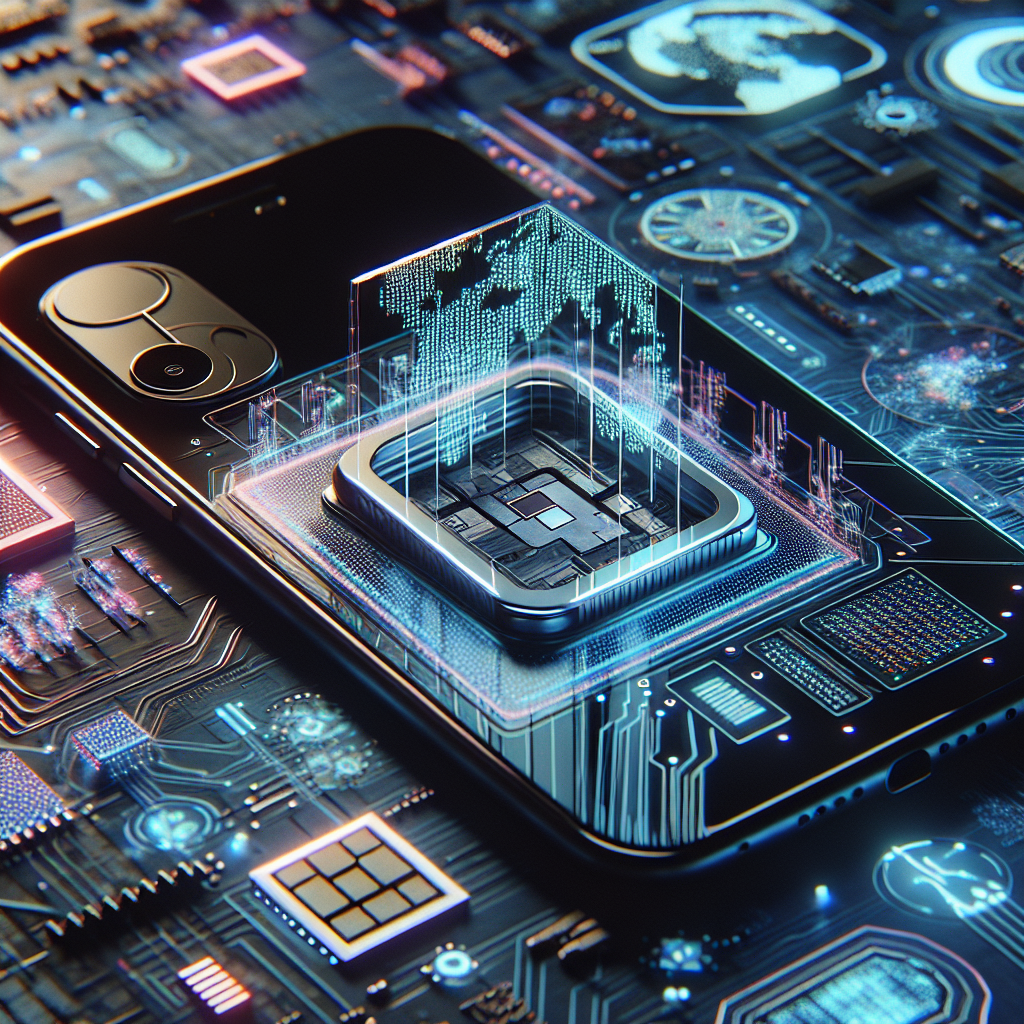
The Digital Transformation: What is an eSIM?
Once upon a time, the only way to connect to a mobile network was by inserting a tiny plastic card, known as a SIM, into our phones. Fast forward to today, and technology has ushered in a new era of connectivity with the introduction of the eSIM. But what is an eSIM, and why is it being hailed as the future of mobile communication?
The Evolution from Physical SIMs to eSIMs
Picture this: you’re preparing for a trip overseas. In the past, you’d have rummaged through your belongings, ensuring you had that minuscule SIM card to swap once you landed. Nowadays, eSIM technology saves you from such hassle. An eSIM, or embedded SIM, is a digital version of the traditional SIM card, directly integrated into your device.
This tiny chip eliminates the need for a physical card, allowing multiple carriers to be programmed into a single eSIM through a simple software update. The potential for mobile devices to support multiple profiles and switch networks without any physical card manipulation is not just convenient; it’s revolutionary.
Benefits of Embracing the eSIM Revolution
There are several reasons why eSIMs are considered a game-changer in telecommunications. For starters, eSIMs offer incredible flexibility. Imagine being able to switch to a local network while traveling, all from your phone’s settings, bypassing exorbitant roaming charges and the inconvenience of finding a local SIM vendor.
Additionally, eSIMs contribute to more robust device designs. Without the need for a SIM tray, manufacturers can focus on sleeker, waterproof, and more durable devices, optimizing space for other components. Environmentally, the shift towards eSIMs minimizes plastic waste, aligning with global sustainability trends.
Challenges and Considerations of Using eSIMs
However, every coin has two sides. eSIM adoption doesn’t come without its set of hurdles. The compatibility of eSIMs with all devices is still a work in progress. As of now, only select newer models come equipped with eSIM capabilities, which can be a limitation for users of older devices.
Moreover, although eSIMs make carrier switching seamless, some users feel tied to their current carrier due to contractual obligations, which can sometimes complicate transitions. Privacy and security are other concerns, as the embedded nature of eSIMs could potentially expose users to digital vulnerabilities.
In conclusion, the eSIM represents a significant leap forward in mobile technology. Its ability to streamline connectivity, combined with its eco-friendly design, makes it a compelling alternative to traditional SIM cards. However, as with any technology, it’s essential to weigh convenience against compatibility and security.
Personal Tip
Before switching to an eSIM, check with your mobile carrier to ensure they support the feature and that your current device is compatible. Doing a quick check can save you from any unexpected surprises down the line.


